Car mileage check before you pay for a tokunbo car.
A dashboard can be wound back between the last reading abroad and the sale in Lagos. Enter the VIN to see the dated mileage readings we hold for it, where available.
900M+ Vehicles in database
₦9,900 Full report
To check a car's mileage in Nigeria, compare the dashboard with dated readings recorded before the car was imported. Carlytics reads the 17-character VIN against 900+ million records in US, EU and worldwide databases and lists the mileage readings held for it, where available, with their dates. Full report ₦9,900.
How mileage gets wound back on imported cars
Most used cars in Nigeria are tokunbo: they lived their first life abroad. The risk sits in the gap between the last record abroad and the sale here.
The gap between export and sale
A car is inspected, serviced or sold abroad, and the reading is written down. Then it is shipped, cleared and offered for sale in Nigeria. Between those two moments nobody records the mileage, and that is when an odometer can be wound back. A lower number on the dashboard makes a car look younger and lets the seller ask more for it.
Miles and kilometres
Cars built for the US show miles, cars from Europe show kilometres. One mile is 1.609 km, so 100,000 miles is about 160,934 km. A US car advertised with “100,000 km” may really have covered 100,000 miles, which is about 60% more. Always ask which unit the dashboard uses and convert before you compare.
Where mileage records come from
A VIN does not contain the mileage. It is the key that links one car to the readings written down about it.
European readings
Cars from Belgium, Germany, the Netherlands and the rest of Europe are often inspected and advertised several times in their life, and each time a mileage is recorded. Where we hold those readings for the VIN, the report lists them with their dates. See the Direct Belgium car check for European imports.
US readings
Cars sold in the US may carry an odometer reading at the time of sale or auction. Where we hold one for the VIN, it is in the report. The American used car check covers US imports.
No Nigerian readings
We hold no Nigerian mileage records. A car with no readings abroad shows none, and the report says so plainly. No record found is not proof that the mileage is right, or that it is wrong.
How to read the mileage timeline
Mileage only goes up. Read the readings in date order and every problem shows itself.
- Write every reading down with its date and its unit, oldest first.
- Convert miles to kilometres where needed, so every line uses the same unit.
- Add the dashboard reading at the viewing as the last line.
- A reading lower than an earlier one is a red flag. Ask for an invoice for any replaced instrument cluster.
- A long gap with no readings is not proof of anything, but it needs an explanation from the seller.
The worked example below shows how a 74,000 km difference stands out once the readings sit in one table. The sample report shows how the readings appear in a real report layout.
Physical signs that match or contradict the dashboard
The car itself keeps a record of how far it has gone. Compare it with the number on the dashboard.
- Pedal rubbers worn smooth or replaced with new ones on a car that claims low mileage.
- A shiny, worn steering wheel and gear knob.
- A flattened or torn driver's seat bolster where the driver slides in and out.
- Service stickers and booklets with readings that do not fit the dashboard; ask for every invoice.
- Tyre date codes: a car with low mileage should not be on its third set of tyres.
One sign alone can have an innocent explanation. Several together, or a sign that disagrees with a dated reading in the report, are a reason to walk away or to price the car on the higher figure.
What to ask the seller
Ask before you travel. An honest seller answers quickly; silence is also an answer.
Message to send
“Good day. Please send me the VIN and a photo of the dashboard with the ignition on, showing the mileage. I will check the car's records before I come for inspection.”
Follow-up questions
- Which country did the car come from, and when did it arrive?
- Has the instrument cluster or the speedometer ever been replaced? Is there an invoice?
- Is the dashboard reading in miles or kilometres?
Our tokunbo guide covers the papers to ask for at the same time.
Worked example: a tokunbo car with a mileage gap
For a car shipped to Nigeria, read the papers next to the records from the country it came from. Compare the mileage on each document in date order.
Illustrative case with invented paperwork, not an actual vehicle or a Carlytics data result:
| Evidence supplied | What the buyer sees |
|---|---|
| Advert in Lagos | 2015 SUV, “Direct Belgium, 68,000 km, no accident”. |
| Last inspection record in Europe | Passed with 142,000 km recorded, five months before export. |
| Dashboard at the viewing | 68,000 km. |
Which reading needs an explanation?
The odometer shows 74,000 km less than the last reading in Europe. A replaced instrument cluster explains a difference only with an invoice and a recorded reading. Without them, treat the mileage as unverified and price the car on the higher figure.
Before you transfer any money
- Match the VIN on the car and on the customs papers.
- Write each mileage reading down with its date.
- Take the report and the seller's explanation to an independent inspection.
What the report shows for mileage and more
Here is what to expect from a ₦9,900 report on a car with a 17-character VIN.
In the report
- A factory decode: make, model, model year, engine, fuel, body style and plant.
- Dated mileage records where available for the VIN, from the countries the car lived in.
- Accident and damage records where available for the VIN, for example salvage and write-off titles and auction damage classifications.
- A check against stolen-vehicle databases from the US, the EU and worldwide.
- Safety recall campaigns recorded for the make, model and year.
- Market value, known model issues and running-cost context.
Before you check
- Have the 17-character VIN ready. It is on the windscreen, the door pillar and the customs papers; a plate number alone is not enough.
- Confirm the customs duty status on Nigeria Customs CVMS or on VREG. The report does not cover customs duty.
- Book an independent mechanic to inspect the car before you transfer any money.
No record found is not proof that a car is undamaged or that its mileage is correct.
Checking a car's mileage, in order
Five steps before any deposit.
- 1
Get the VIN and a dashboard photo
With the ignition on, so the reading is visible.
- 2
Decode the VIN
The make, model and year must match the advert.
- 3
Read the mileage readings
In date order, in one unit, where available.
- 4
Check the car
Pedals, steering wheel, seat, service records and tyres.
- 5
Inspect, then pay
An independent mechanic, then the transfer.
What we check before you pay for a car in Nigeria
One VIN, the records from the countries the car has lived in. These are the checks that matter most for a tokunbo car, a Nigerian-used car or a new Chinese model.
Accident and damage
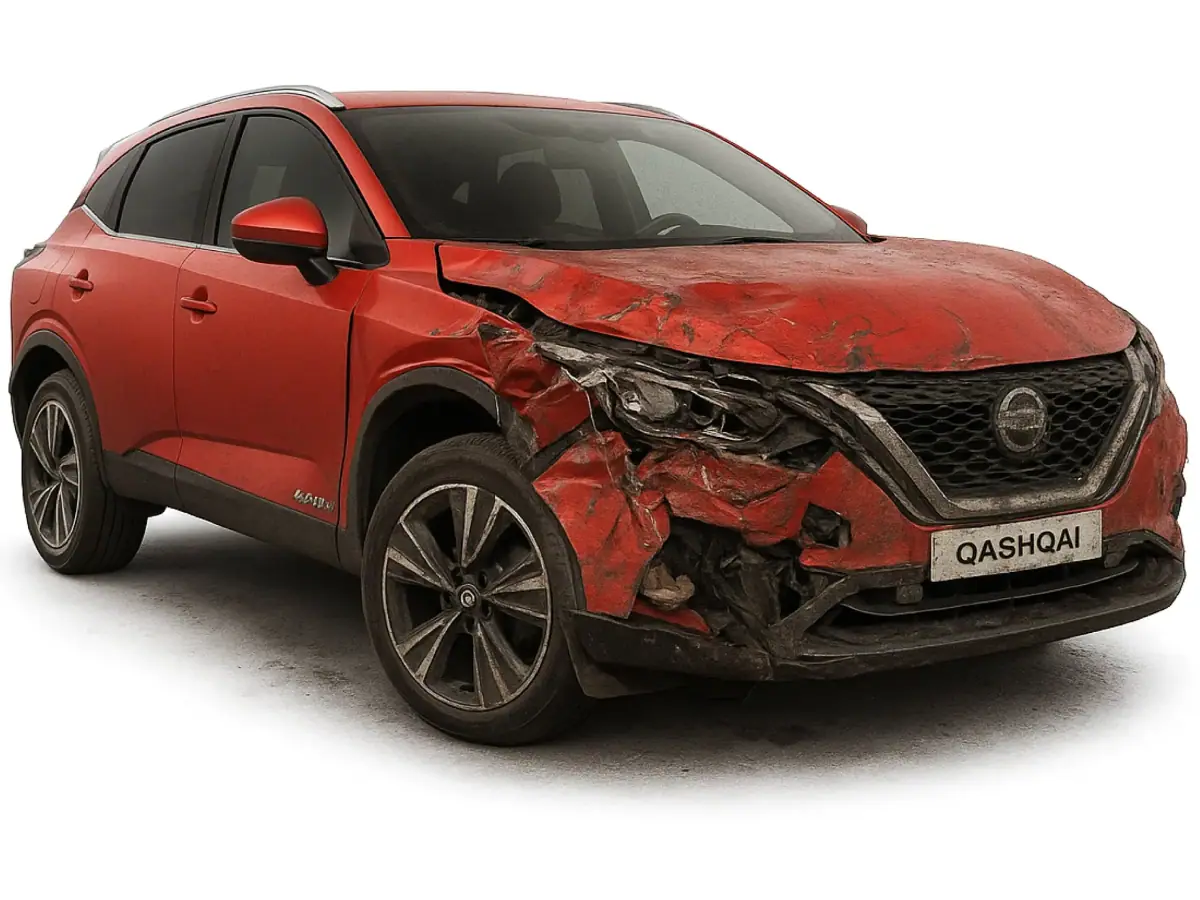
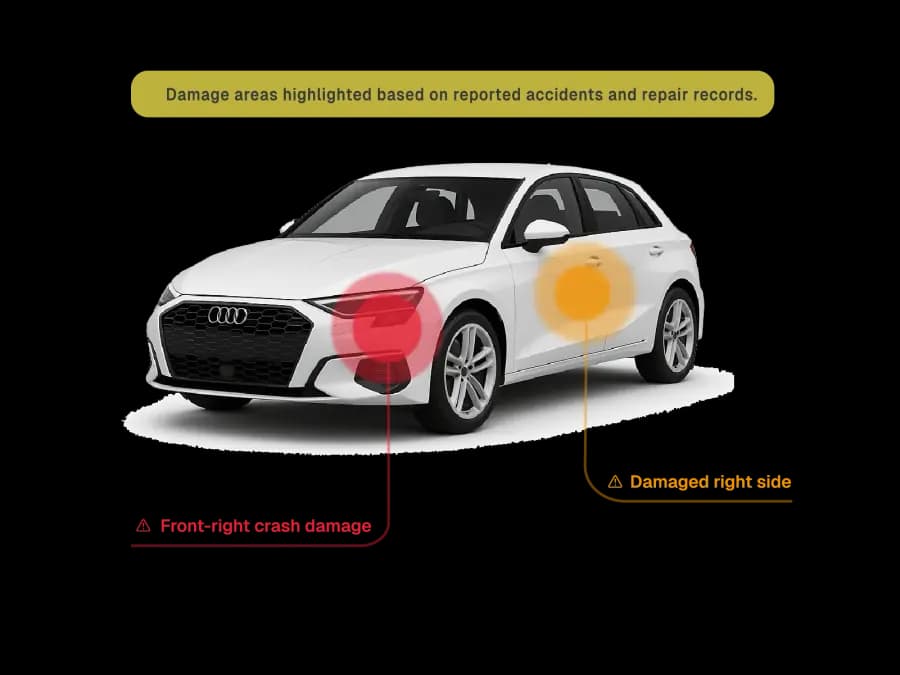
The report includes accident and damage records where available for the VIN, such as salvage and write-off titles and auction damage classifications. An accidented car repaired abroad and shipped to Lagos can look clean on the lot; the record from its first life is where the repair shows. No record found is not proof the car was never damaged.
Mileage rollbacks
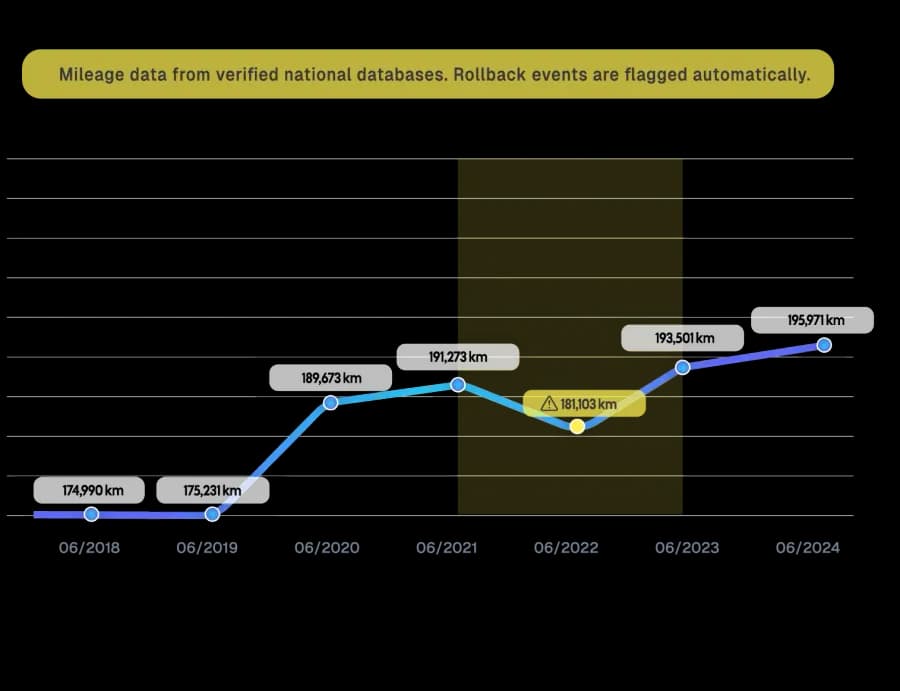
We put the dated mileage records we hold for the VIN in order, where available, so you can compare them with the dashboard. The weak point on a tokunbo car is the gap between the last reading abroad and the day it reached Nigeria.
Specs & equipment
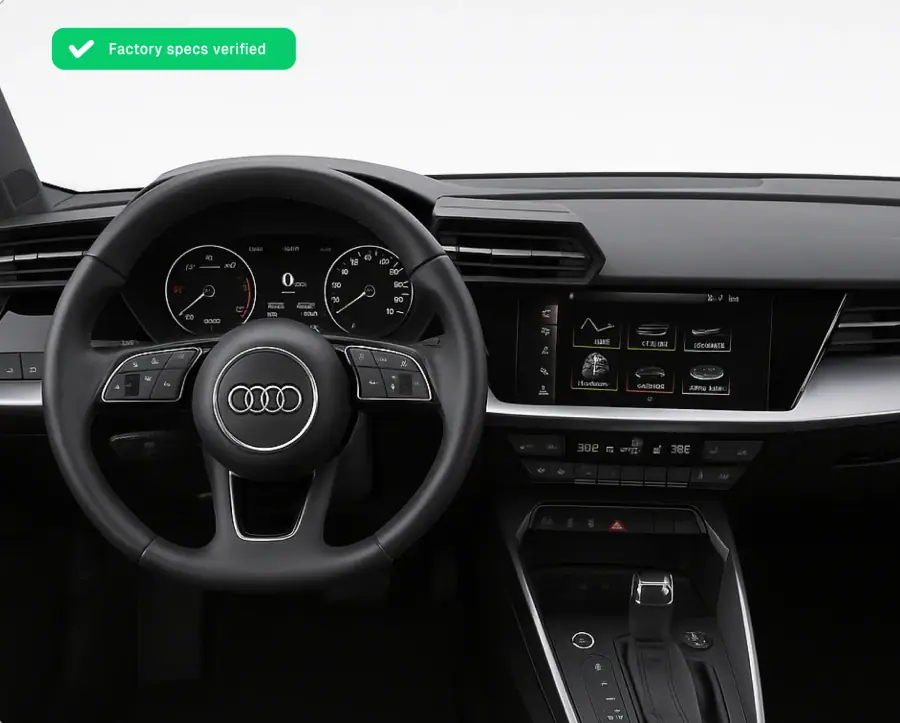
We decode the factory specification from the VIN: make, model, year, engine, fuel, body and plant. Check it against the advert and the customs papers before you agree a price.
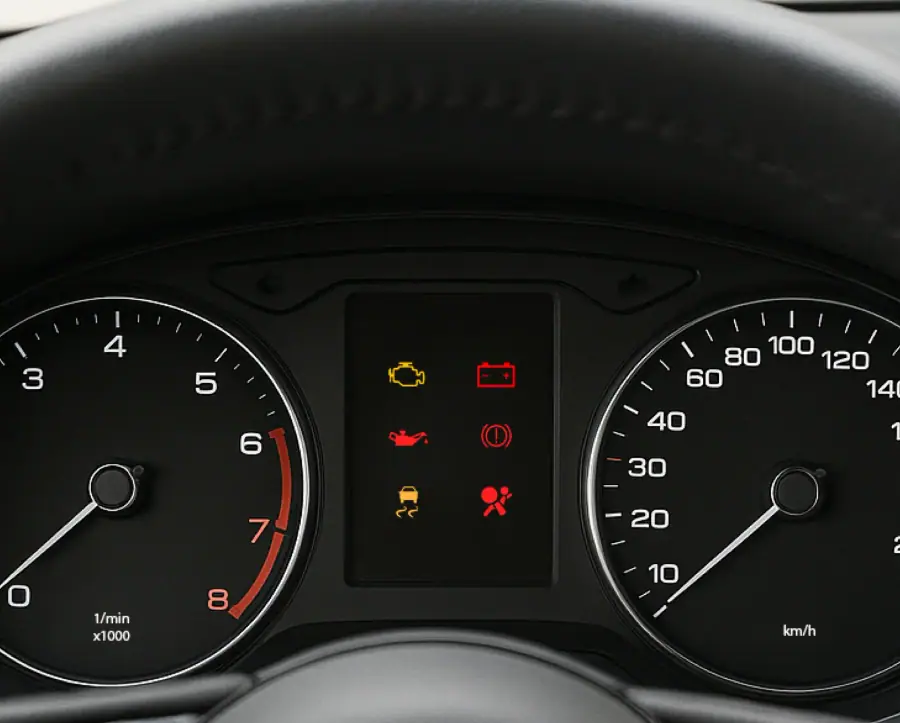
Safety recalls
We list safety recall campaigns recorded for the make, model and year. A car bought abroad and shipped to Nigeria rarely comes with its recall letters, so ask a dealer of the brand to confirm the work was done.
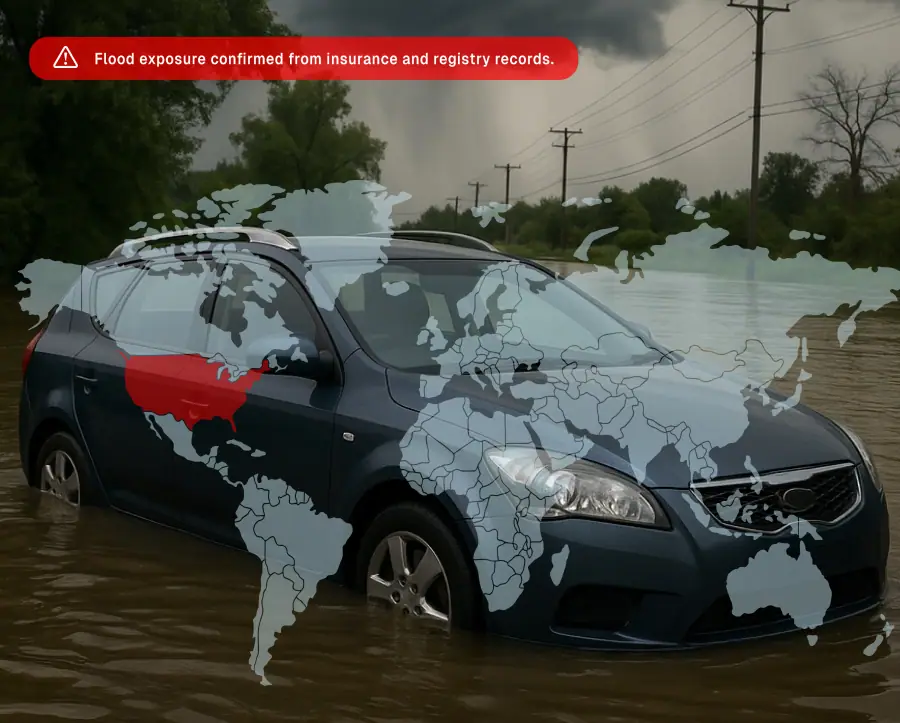
Flood damage
Check whether the car carries flood or weather damage records where available. Flood cars from US storms have been repaired and shipped to Nigeria before, and a flood car can fail electrically long after the sale.
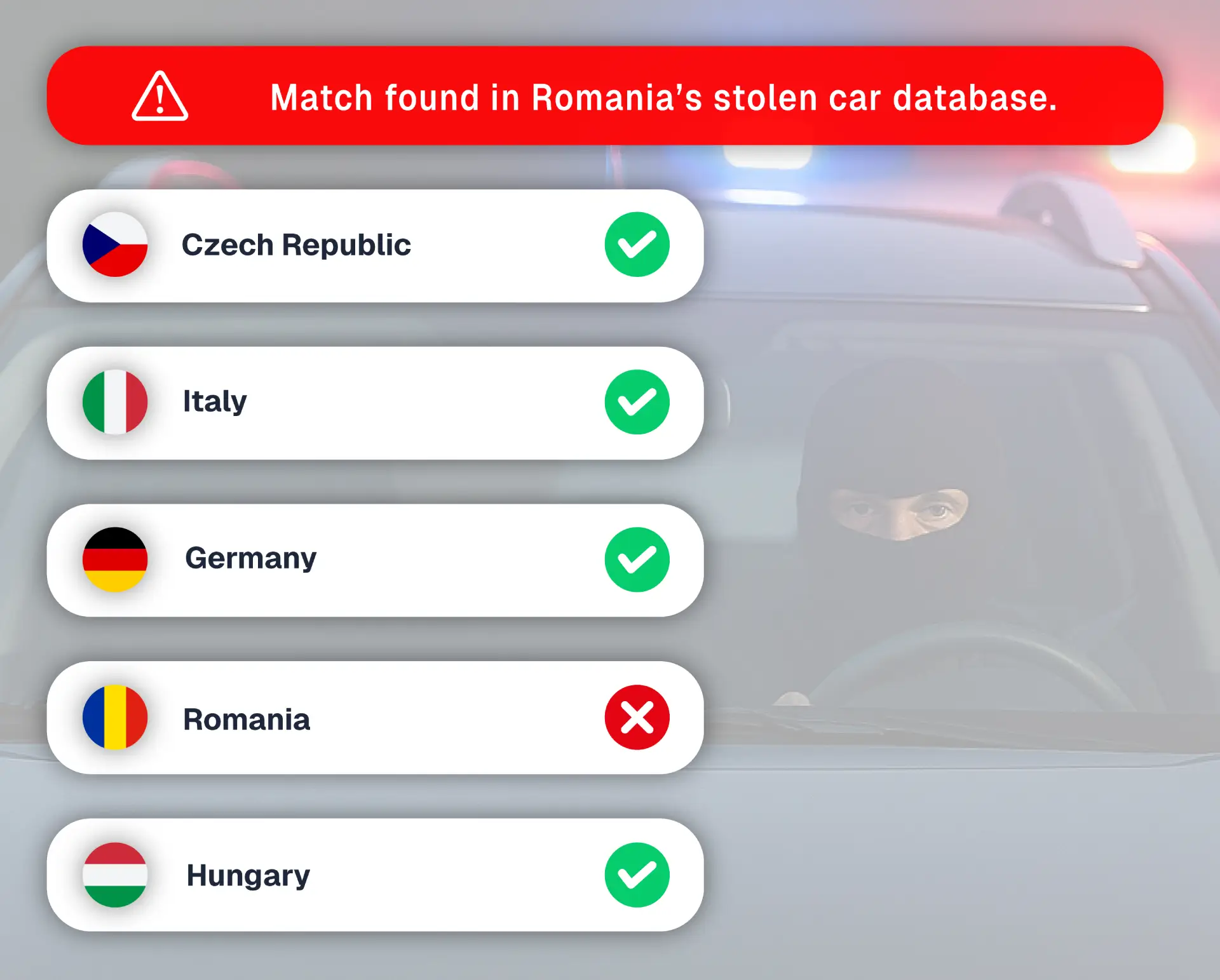
Stolen car check
We check the VIN against stolen-vehicle databases from the US, the EU and worldwide. Cars stolen abroad have been shipped to Nigeria and seized from the buyer, so run this check before any transfer.
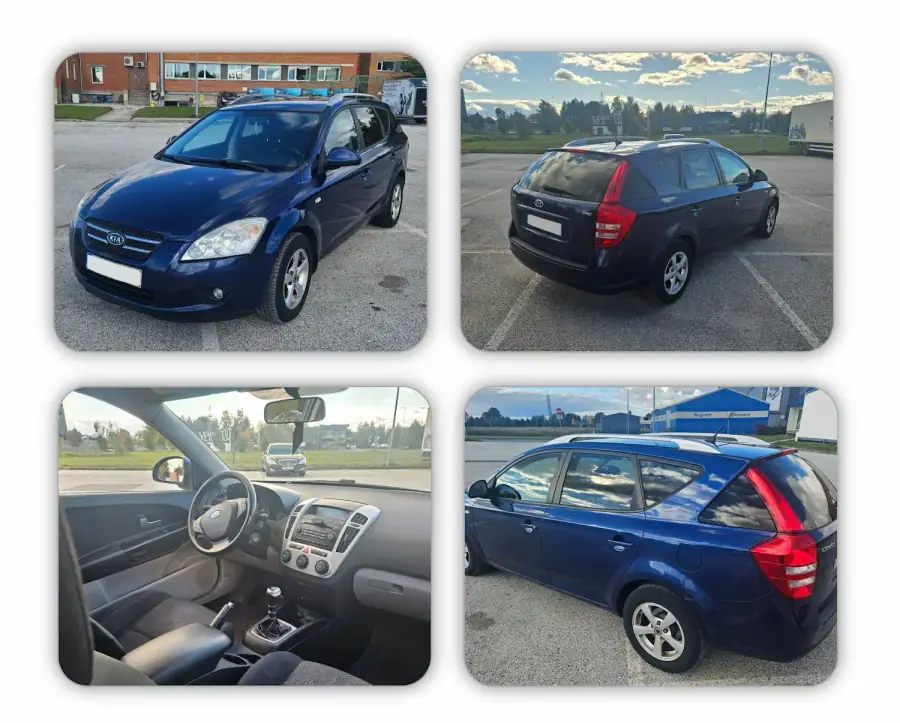
Photos
Where available, we include earlier photos of the car, for example from auctions. They can show damage, repairs or a different colour that the seller has not mentioned.
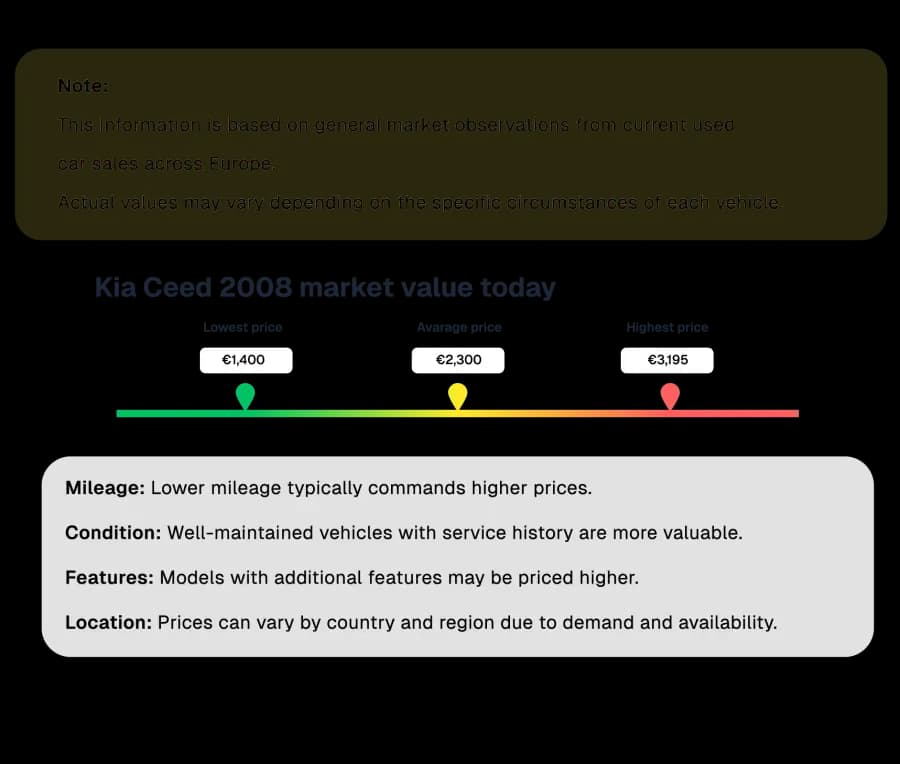
Market value
We estimate a fair market value from comparable cars, so you can tell whether the asking price is reasonable for the year, mileage and specification.
Trusted in 47+ countries, including the ones Nigeria imports from
Carlytics brings together vehicle records from 47+ countries, with 900M+ vehicles in its database, across Europe and North America, plus factory decoding for cars built in China, Japan and Korea. For a tokunbo car, that is where its earlier life was recorded.
Access data from national registries,
insurance databases, law enforcement and more.

How It Works
Carlytics checks a 17-character VIN in seconds by cross-referencing 900M+ records from 47+ countries. Enter the VIN from the windscreen, the door pillar or the customs papers, check the free preview, then unlock the full vehicle history report for ₦9,900.
From VIN to report in a few minutes. Check the free preview before you pay.
Enter the VIN
Type the 17-character VIN (chassis number) from the car or its papers. A Nigerian plate number is not enough on its own.
Check the preview
Confirm the make, model and year match what the seller told you before you pay anything.
Get the full report
Mileage and accident records where available, theft, recalls and value, in one report with a PDF you can forward.
Decide with evidence
Take the report to the inspection, ask the seller about every gap, and only then transfer money.
Why check a VIN before buying a car in Nigeria?
Nigeria spent ₦1.58 trillion importing passenger cars in 2025, and most of them arrived used. A car's history abroad does not follow it to Nigeria on paper; it follows it through the VIN.
Mileage on tokunbo cars
An odometer can be wound back between the last reading abroad and the sale in Nigeria. Dated mileage records, where available, show whether the dashboard fits the car's past.
Accidented and flood cars
Salvage and flood cars are bought cheaply abroad, repaired and sold here as clean tokunbo. Accident and damage records, where available, show what happened before the car was shipped.
Stolen abroad
Vehicles stolen in Canada have been traced to Nigeria and handed back to their owners. A theft check before payment protects you from losing the car and your money.
Year and model on the papers
Customs rules and duty depend on the year of manufacture and the exact model. The decoded year and specification help you test what the papers say.
Ready to check your vehicle?
Enter the VIN number below to get a free instant report.
Sample Vehicle Report
Every Carlytics report covers 24 sections including decoded specs, mileage history, safety recalls, theft status, market value, and cross-border import records. The full report costs ₦9,900 and is available instantly as an interactive page and downloadable PDF.
Here's an example of the comprehensive vehicle report you'll receive. Our reports provide detailed information to help you make informed decisions about any vehicle.
Toyota Corolla (2012)
1.8 L • Petrol • Automatic • Sedan
Vehicle Information
Official records
Vehicle Summary
Frequently Asked Questions
How do I check the real mileage of a car in Nigeria?
Can a VIN show mileage?
What if the report has no mileage readings?
Is the mileage in miles or kilometres?
What is clocking?
Can a mechanic detect a wound-back odometer?
Does a low reading from abroad prove the car is fine?
How much does the mileage check cost?
Last updated