Used car checklist for Nigeria every check before you pay.
Seven steps, from the first message to the seller to the transfer, with the car's history checked before you pay. Start with the VIN: the preview confirms the make, model and year, and the full report adds mileage and accident records where available. ₦9,900.
900M+ Vehicles in database
₦9,900 Full report
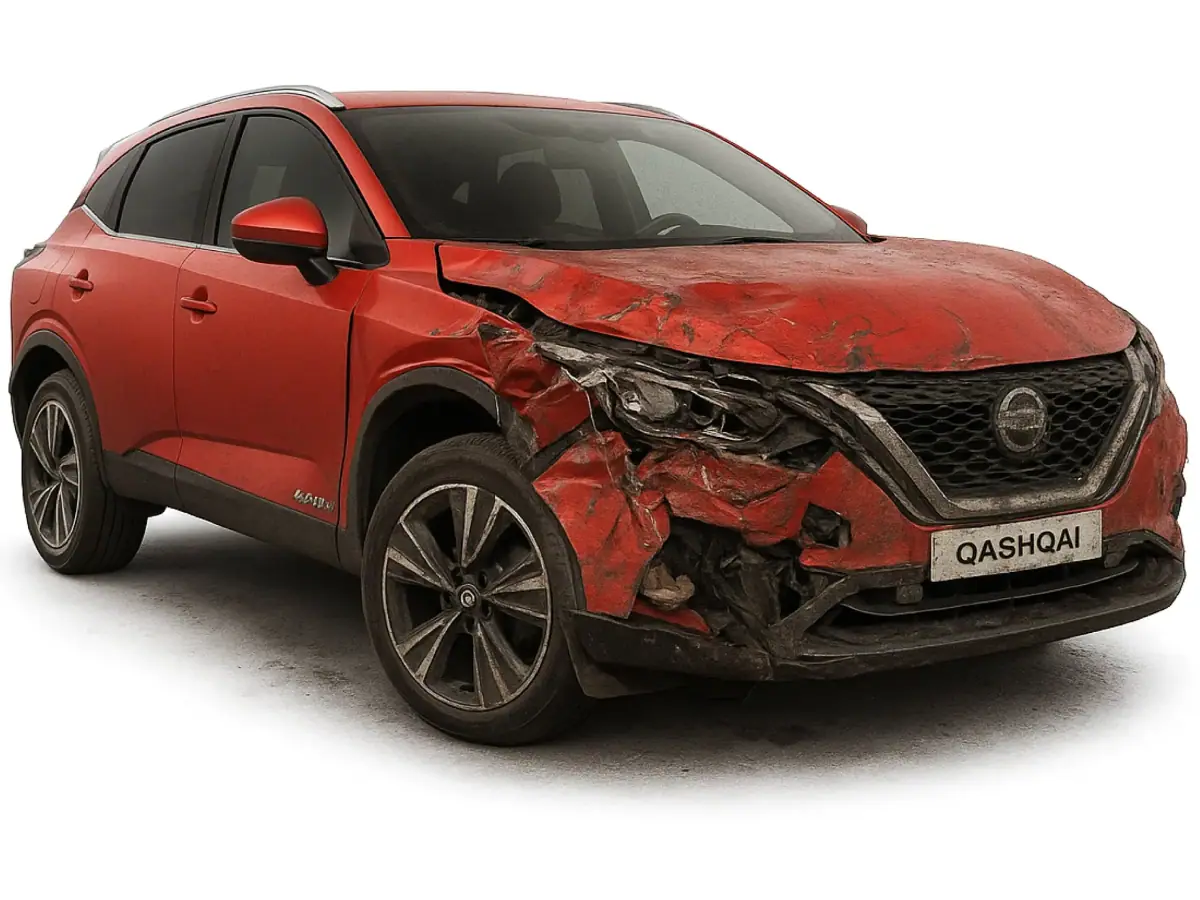
Buying a used car in Nigeria safely comes down to one rule: the car, its papers and its history must all tell the same story before any money moves. Check the VIN and the papers, run the official checks, read the history report and book an independent inspection. Pay last.
Before you see the car
Most bad deals can be stopped from your phone.
Ask the seller for three things before you travel: a clear photo of the VIN on the windscreen, the plate number, and photos of the papers. A seller with a good car sends them. A seller who will only talk on the phone, or who says the papers are “with the agent”, has told you something already.
Run the VIN through the preview above. If the make, model or year differ from the advert, ask why before you go. If the car came from abroad recently, read our tokunbo guide; if it has been on Nigerian roads for years, read the Nigerian used car check.
At the car
Take your time. A seller who rushes you is the first warning.
The VIN in three places
Windscreen, door pillar and the papers. All three must show the same 17 characters. Look for scratches, re-riveted plates or uneven stamping. Our chassis number check shows where to look.
The dashboard
Photograph the dashboard with the ignition on: mileage and warning lights. Compare the mileage with the wear on the pedals, steering wheel and driver's seat, and later with the readings in the report. See the car mileage check.
Accident and flood signs
Uneven panel gaps, paint that does not match, overspray on rubber seals, new bolts on the wings, rust on the seat rails or a damp smell. The accidented car check and flood car check go through each one.
Online checks
Four checks, three of them official. Each covers one part of the car's story.
- The VIN report. Mileage and accident records where available, theft and recalls from the car's life abroad. Start with the car history check.
- FRSC NVIS. Free: whether the plate matches the FRSC record. See the FRSC plate check guide.
- VREG. The national vehicle registry, keyed on the VIN. See VREG verification.
- Nigeria Customs CVMS. A paid check of the duty payment status by VIN, with a receipt you can keep. See the customs papers check.
With a mechanic
An independent mechanic, chosen by you, not by the seller.
Ask for the car on a lift so the mechanic can see the underside, the frame rails and the suspension. Ask for an engine scan for stored fault codes, and a test drive long enough for the engine to reach full temperature. Take the VIN report with you: a mileage reading or a damage record where available tells the mechanic where to look first.
Paying safely
The last step, and the one you cannot undo.
- Never pay a deposit for a car “on the way” or “at the port”.
- Pay only after the papers and the car match and the inspection is done.
- Pay into an account in the name on the proof of ownership, or get a written explanation why not.
- Collect every paper, both keys and a signed receipt with the chassis number on it.
Unsure what the car is worth? Read the car value check, and for a car still on finance, the car loan check.
What to bring to the viewing
A short list that saves a second trip.
- Your phone, charged, to photograph the VIN, the dashboard and every paper.
- A torch, to look under the car, under the carpets and into the engine bay.
- The VIN report on your phone or printed, with the mileage readings written down in date order.
- A friend or a mechanic, so one person can talk while the other looks.
- A list of the papers you expect to see, so nothing is forgotten in the conversation.
View the car in daylight and, if possible, with the engine cold, so you hear how it starts. If the seller moves the viewing to the evening, to a different place, or to a car “just like it”, treat that as a warning. A good car can wait for a proper look.
Checking a used car in Nigeria, in order
Five steps, free ones first. Any one of them can end the deal before you spend money on the next.
- 1
Get the VIN and the papers
Ask the seller for a photo of the VIN on the windscreen and on the customs papers, and for the plate number.
- 2
Run the free preview
Enter the VIN above. If the make, model or year do not match the advert, ask why before you travel.
- 3
Read the full report
Put the mileage records in order and note any accident, flood, theft or recall entries.
- 4
Verify the papers
Confirm the duty status on CVMS or VREG and the plate on FRSC NVIS.
- 5
Inspect, then pay
Book an independent inspection and pay only after the papers and the car match.
Official checks worth doing in Nigeria, and what they show
Each official check covers one part of the car's story. Do them alongside the report.
| Check | What you enter | Where | What it shows |
|---|---|---|---|
| Customs duty status | The VIN | Nigeria Customs CVMS (cvms.nigeriatradehub.gov.ng) | Whether the vehicle was cleared through customs, with an official receipt. A paid service. |
| National vehicle registry | The VIN | VREG, Federal Ministry of Finance (vreg.gov.ng, USSD *7031#) | Whether the VIN is registered on VREG, and its duty status. |
| Number plate | The plate number | FRSC NVIS (nvis.frsc.gov.ng) | Whether the plate matches the FRSC record. |
| Police vehicle certificate | Owner and vehicle details | Nigeria Police e-CMR (cmris.npf.gov.ng) | The police Central Motor Registry certificate the owner should hold. |
What the official checks leave out
Each check covers one record. None of them puts a car's dated history from Europe, the US or China next to its Nigerian papers. That is the part the report adds.
Official checks and a Carlytics report side by side
| Topic | Official checks | Carlytics report |
|---|---|---|
| Mileage | Not shown | Dated mileage records for the VIN, where available, from several countries |
| Accidents and damage | Not shown before purchase | Accident and damage records where available for the VIN |
| Customs duty | CVMS or VREG | Not included: confirm it there |
| Theft | Police certificate held by the owner | Stolen-vehicle databases from the US, the EU and worldwide |
| Specification | Not shown | Factory decode from the VIN |
One Carlytics report costs ₦9,900, with a free preview first.
What the VIN report adds to the checklist
Here is what to expect from a ₦9,900 report on a car with a 17-character VIN.
In the report
- A factory decode: make, model, model year, engine, fuel, body style and plant.
- Dated mileage records where available for the VIN, from the countries the car lived in.
- Accident and damage records where available for the VIN, for example salvage and write-off titles and auction damage classifications.
- A check against stolen-vehicle databases from the US, the EU and worldwide.
- Safety recall campaigns recorded for the make, model and year.
- Market value, known model issues and running-cost context.
Before you check
- Have the 17-character VIN ready. It is on the windscreen, the door pillar and the customs papers; a plate number alone is not enough.
- Confirm the customs duty status on Nigeria Customs CVMS or on VREG. The report does not cover customs duty.
- Book an independent mechanic to inspect the car before you transfer any money.
No record found is not proof that a car is undamaged or that its mileage is correct.
What we check before you pay for a car in Nigeria
One VIN, the records from the countries the car has lived in. These are the checks that matter most for a tokunbo car, a Nigerian-used car or a new Chinese model.
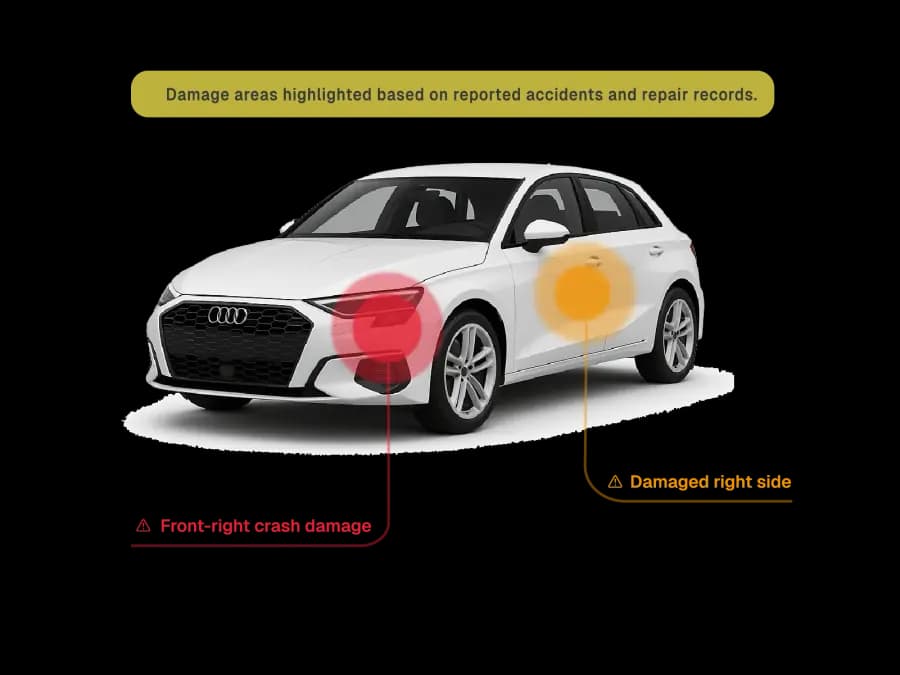
Accident and damage
The report includes accident and damage records where available for the VIN, such as salvage and write-off titles and auction damage classifications. An accidented car repaired abroad and shipped to Lagos can look clean on the lot; the record from its first life is where the repair shows. No record found is not proof the car was never damaged.
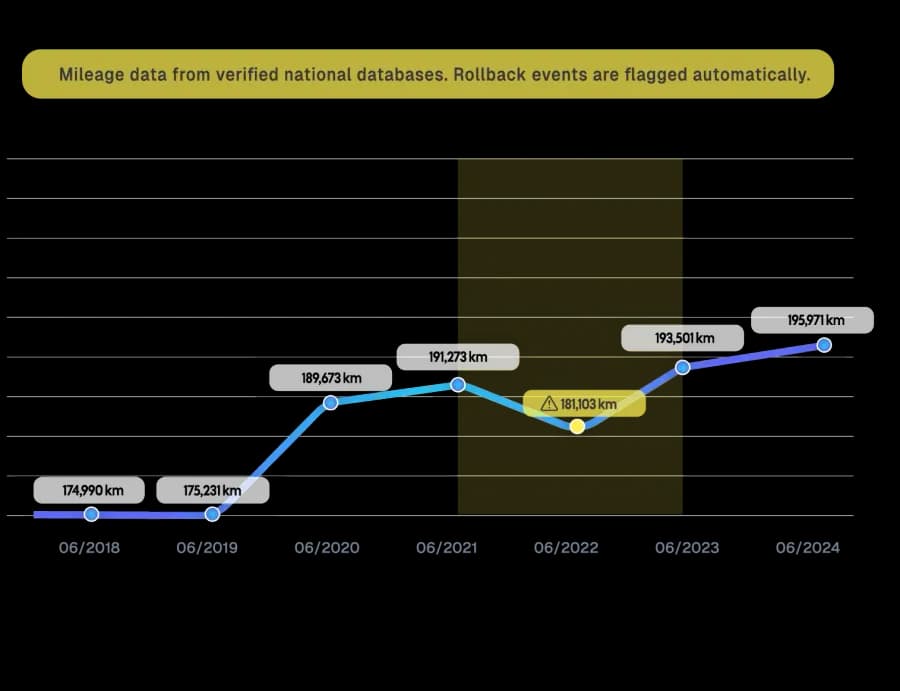
Mileage rollbacks
We put the dated mileage records we hold for the VIN in order, where available, so you can compare them with the dashboard. The weak point on a tokunbo car is the gap between the last reading abroad and the day it reached Nigeria.
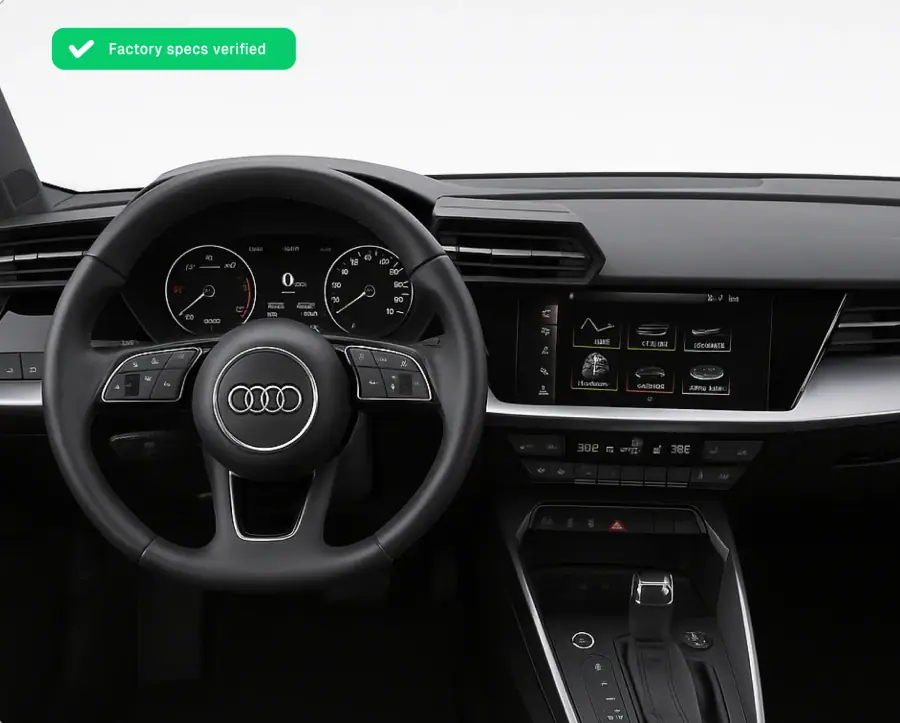
Specs & equipment
We decode the factory specification from the VIN: make, model, year, engine, fuel, body and plant. Check it against the advert and the customs papers before you agree a price.
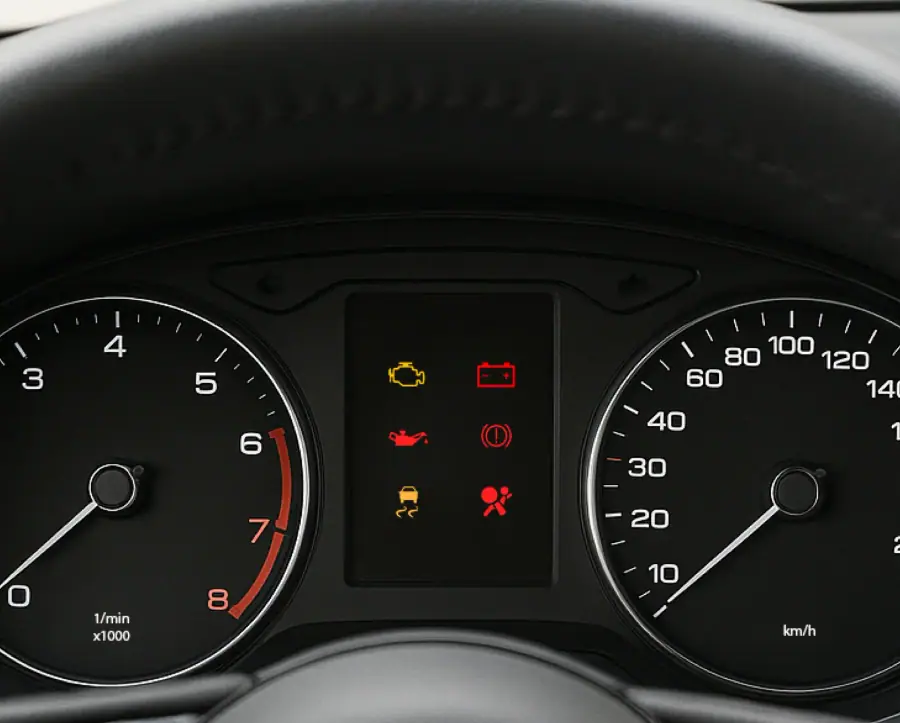
Safety recalls
We list safety recall campaigns recorded for the make, model and year. A car bought abroad and shipped to Nigeria rarely comes with its recall letters, so ask a dealer of the brand to confirm the work was done.
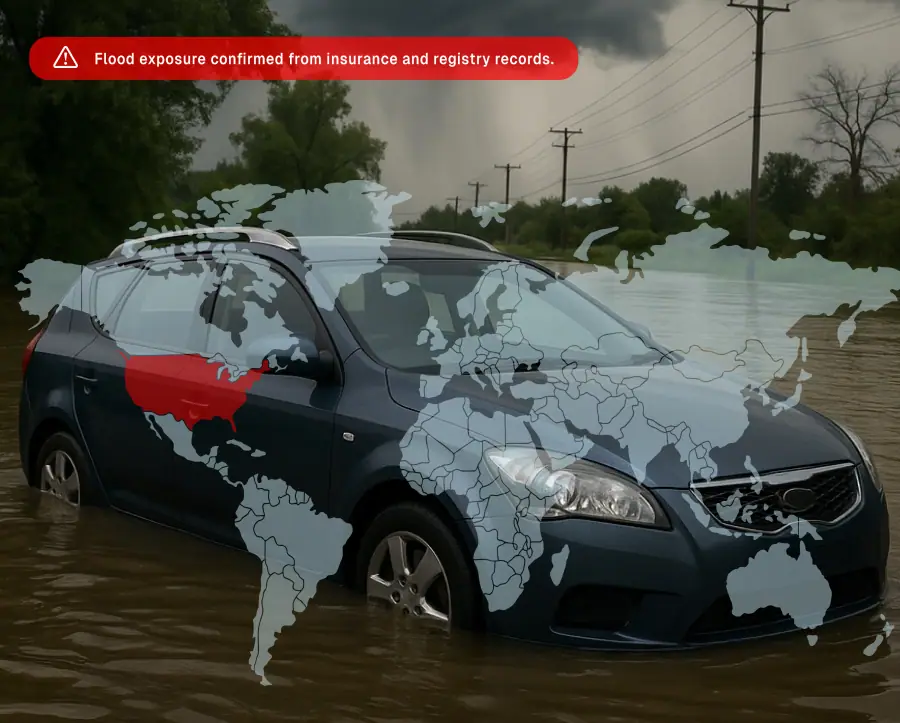
Flood damage
Check whether the car carries flood or weather damage records where available. Flood cars from US storms have been repaired and shipped to Nigeria before, and a flood car can fail electrically long after the sale.
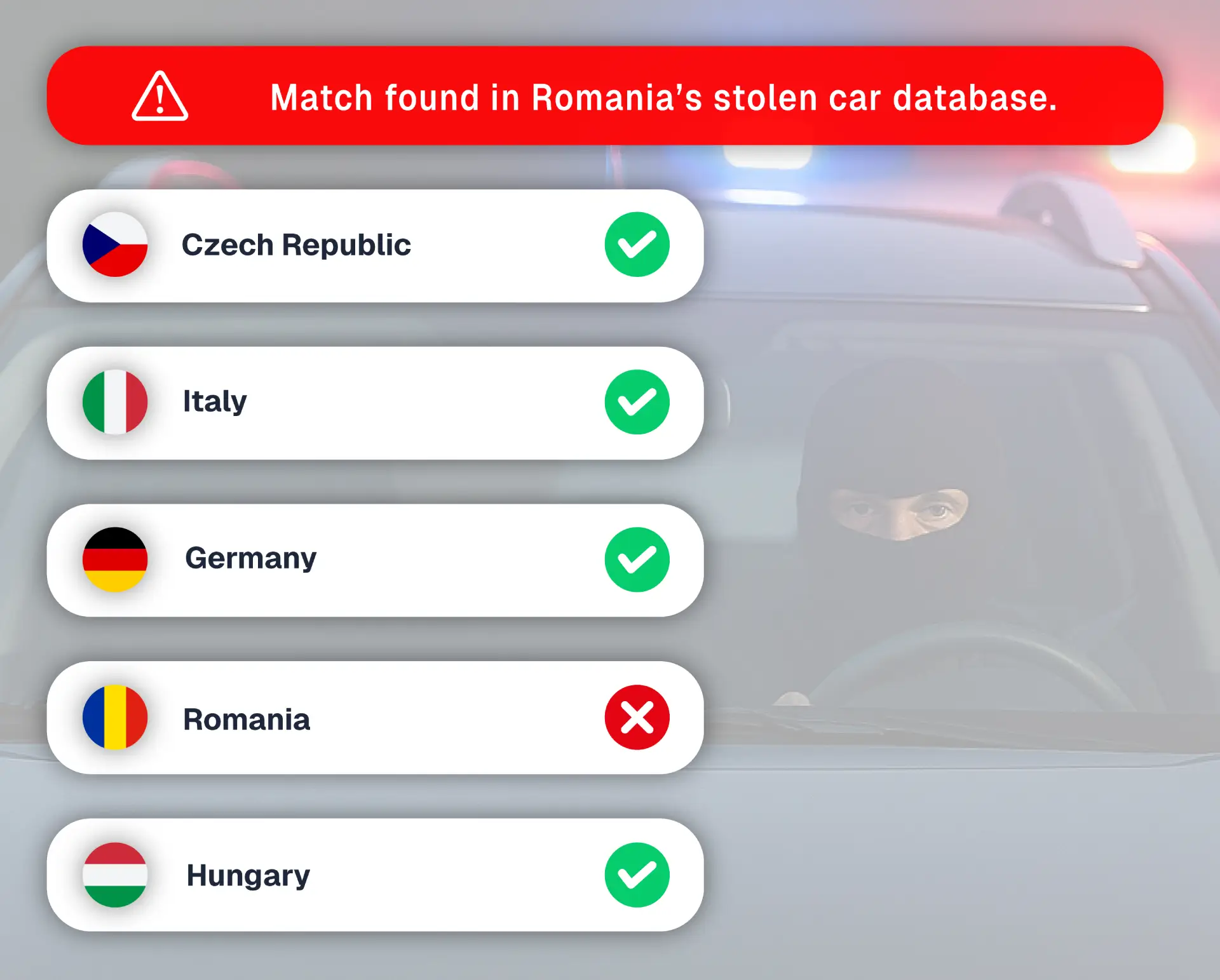
Stolen car check
We check the VIN against stolen-vehicle databases from the US, the EU and worldwide. Cars stolen abroad have been shipped to Nigeria and seized from the buyer, so run this check before any transfer.
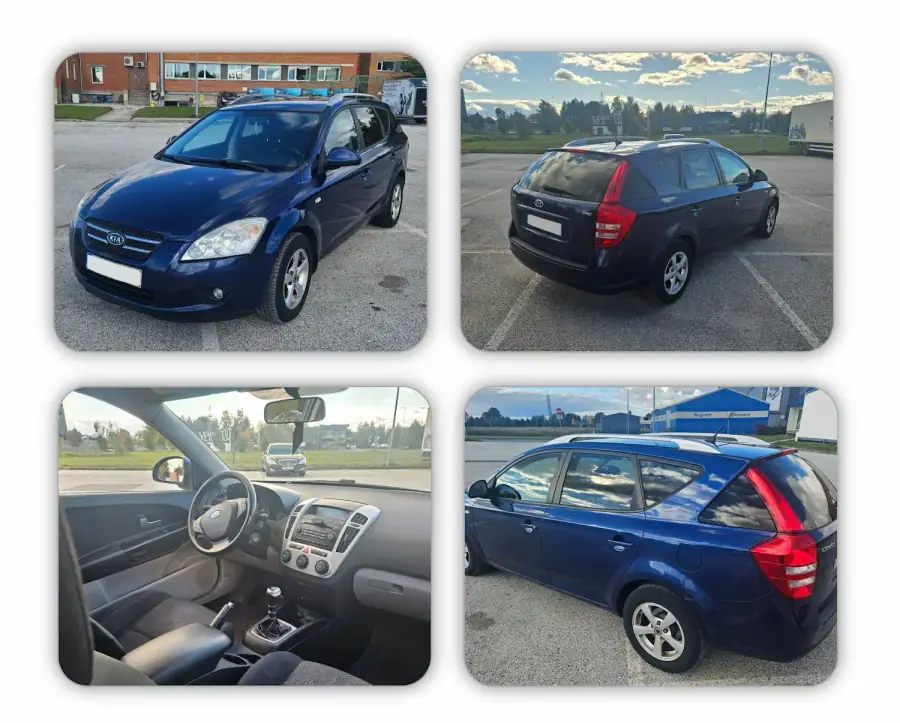
Photos
Where available, we include earlier photos of the car, for example from auctions. They can show damage, repairs or a different colour that the seller has not mentioned.
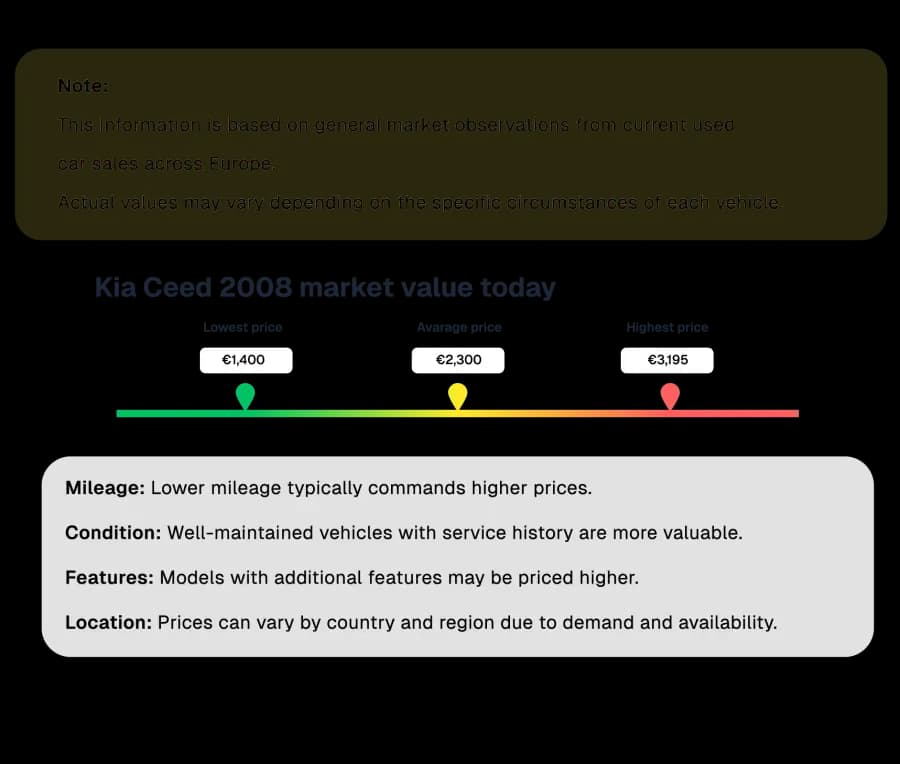
Market value
We estimate a fair market value from comparable cars, so you can tell whether the asking price is reasonable for the year, mileage and specification.
Trusted in 47+ countries, including the ones Nigeria imports from
Carlytics brings together vehicle records from 47+ countries, with 900M+ vehicles in its database, across Europe and North America, plus factory decoding for cars built in China, Japan and Korea. For a tokunbo car, that is where its earlier life was recorded.
Access data from national registries,
insurance databases, law enforcement and more.

How It Works
Carlytics checks a 17-character VIN in seconds by cross-referencing 900M+ records from 47+ countries. Enter the VIN from the windscreen, the door pillar or the customs papers, check the free preview, then unlock the full vehicle history report for ₦9,900.
From VIN to report in a few minutes. Check the free preview before you pay.
Enter the VIN
Type the 17-character VIN (chassis number) from the car or its papers. A Nigerian plate number is not enough on its own.
Check the preview
Confirm the make, model and year match what the seller told you before you pay anything.
Get the full report
Mileage and accident records where available, theft, recalls and value, in one report with a PDF you can forward.
Decide with evidence
Take the report to the inspection, ask the seller about every gap, and only then transfer money.
Why check a VIN before buying a car in Nigeria?
Nigeria spent ₦1.58 trillion importing passenger cars in 2025, and most of them arrived used. A car's history abroad does not follow it to Nigeria on paper; it follows it through the VIN.
Mileage on tokunbo cars
An odometer can be wound back between the last reading abroad and the sale in Nigeria. Dated mileage records, where available, show whether the dashboard fits the car's past.
Accidented and flood cars
Salvage and flood cars are bought cheaply abroad, repaired and sold here as clean tokunbo. Accident and damage records, where available, show what happened before the car was shipped.
Stolen abroad
Vehicles stolen in Canada have been traced to Nigeria and handed back to their owners. A theft check before payment protects you from losing the car and your money.
Year and model on the papers
Customs rules and duty depend on the year of manufacture and the exact model. The decoded year and specification help you test what the papers say.
Ready to check your vehicle?
Enter the VIN number below to get a free instant report.
Sample Vehicle Report
Every Carlytics report covers 24 sections including decoded specs, mileage history, safety recalls, theft status, market value, and cross-border import records. The full report costs ₦9,900 and is available instantly as an interactive page and downloadable PDF.
Here's an example of the comprehensive vehicle report you'll receive. Our reports provide detailed information to help you make informed decisions about any vehicle.
Toyota Corolla (2012)
1.8 L • Petrol • Automatic • Sedan
Vehicle Information
Official records
Vehicle Summary
Frequently Asked Questions
What documents should a used car in Nigeria have?
What is the difference between the vehicle licence and the proof of ownership?
What is e-CMR?
Should I pay a deposit to hold a car?
Can I check a used car's history online?
How much is the report?
Last updated